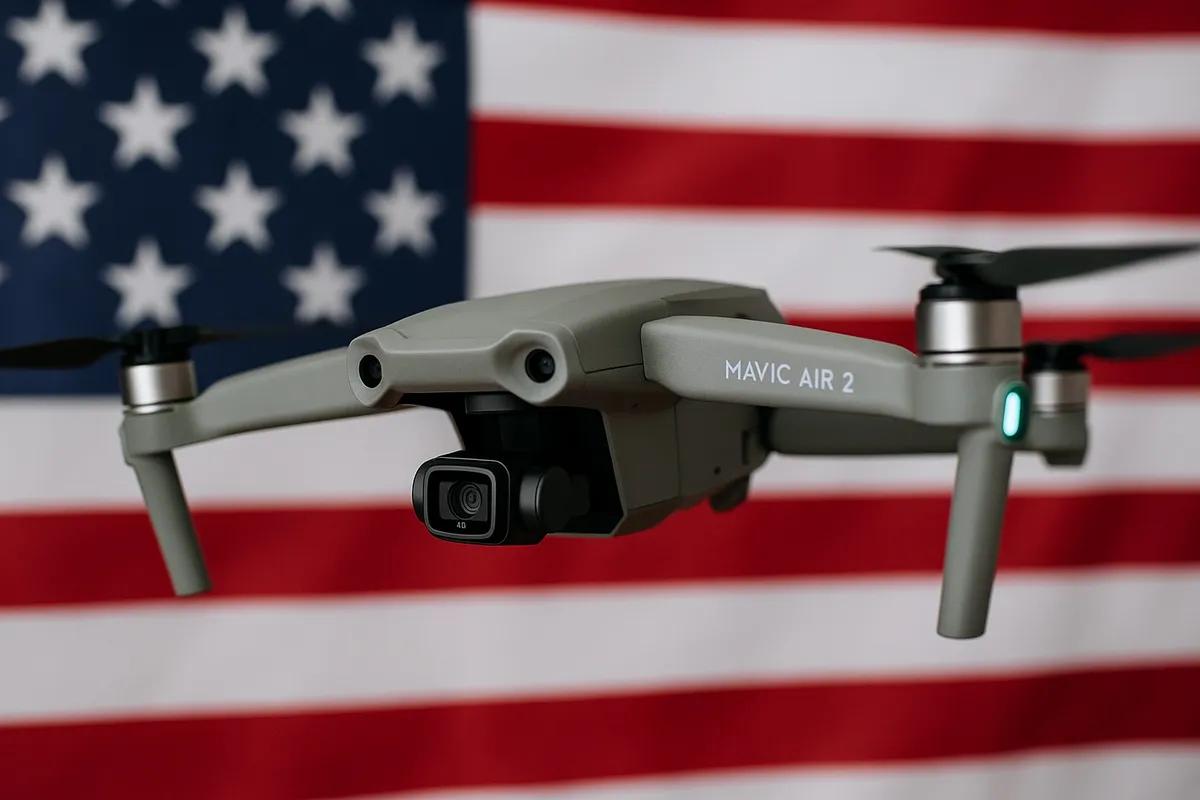
Grounded: What’s Behind the Sudden DJI Drone Shortage in the U.S.?
Drone enthusiasts and content creators across the United States are facing an unexpected disruption — DJI drones are currently listed as out of stock on the official DJI website, with no option to order. While DJI drones are still available in countries like Canada, the U.S. market has suddenly gone dark. So, what’s happening?
 DJI ViewPoints Team
At the heart of the issue is a growing concern from U.S. lawmakers over the origin of foreign-manufactured drones, particularly those from China. Currently, there are two major obstacles affecting DJI’s ability to sell drones in the U.S.: customs complications and pending legislation. Although it may appear that DJI drones are being banned, the truth is more complex.
First, U.S. Customs and Border Protection (CBP) has detained shipments of DJI drones citing the Uyghur Forced Labor Prevention Act (UFLPA). The UFLPA allows CBP to withhold products presumed to be made, in whole or part, in China’s Xinjiang region — a move meant to prevent forced labor. DJI, however, strongly denies any connection to the region, asserting that all its manufacturing is done in Shenzhen and Malaysia, and that they are actively working with authorities to demonstrate compliance.
Second, there is proposed legislation in U.S. Congress aiming to restrict foreign-manufactured drones. At the time of writing this legislation had not yet passed, but its implications were already being felt — and, as the update above notes, federal action ultimately arrived in December 2025 when the FCC added DJI to its Covered List. The uncertainty surrounding these legal developments, combined with the customs enforcement seen in 2025, was effectively choking the supply of DJI drones in the U.S.
This is more than a minor inconvenience. Drone creators, hobbyists, and countless small businesses depend on DJI’s technology for everything from video production to aerial surveying. The ripple effects could be massive — not only threatening livelihoods but also stifling innovation in the drone space.
For content creators who built their platforms around drone footage, this situation poses a significant threat. As one creator mentioned, it’s a wake-up call to reconsider content strategies. Channels focused solely on drones might find it hard to survive if access to these tools disappears.
The takeaway? Flexibility is key. The future of DJI drones in the U.S. is uncertain, and creators must be prepared to pivot — whether that means diversifying content or focusing more on personality-driven storytelling. Amidst technological shifts and rising AI-generated content, the human element remains valuable. People want to follow people, not just tools.
For now, contacting local representatives and voicing opposition to restrictive legislation might be the best course of action for drone users. Whether DJI drones are outright banned or not, the landscape is changing — and fast.
Related Articles
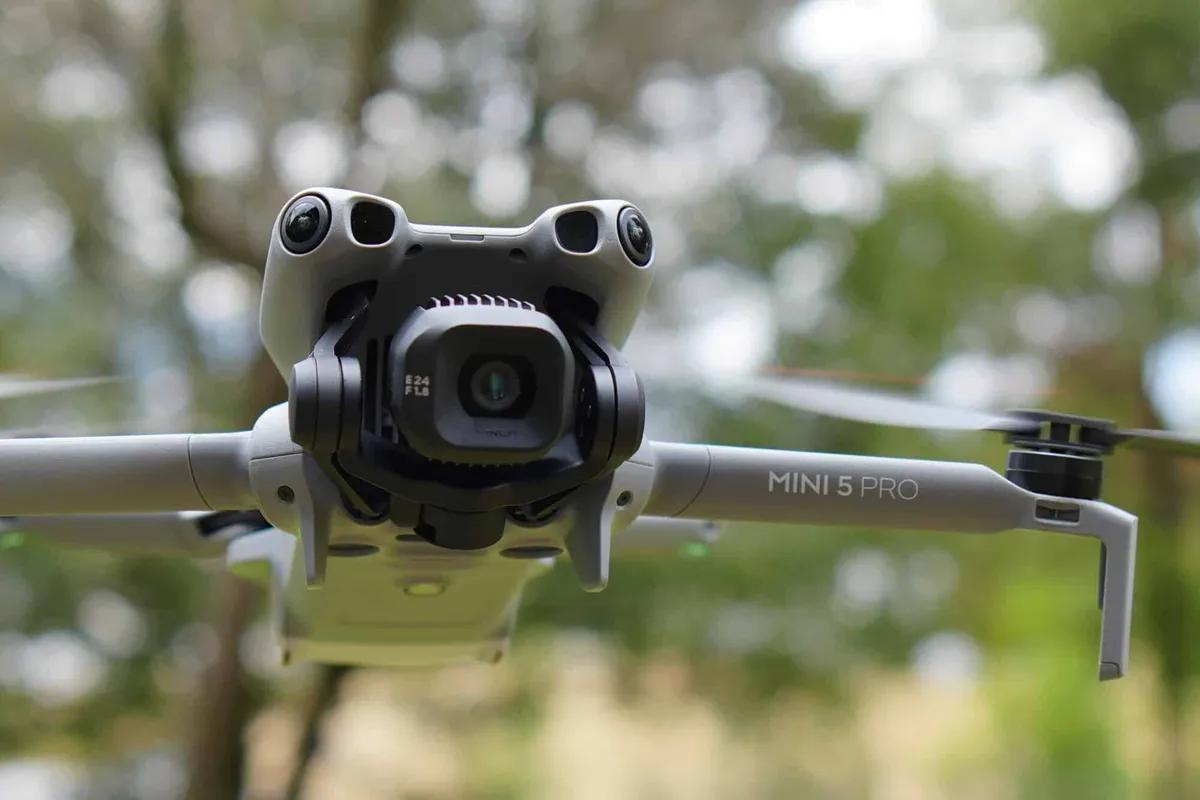
DJI Mini 5 Pro: The New King of Micro Drones?
The DJI Mini 5 Pro brought a 1-inch sensor and LiDAR to the sub-250g class. Updated for June 2026: how the new Lito line changes the picture, and the catch on US availability.
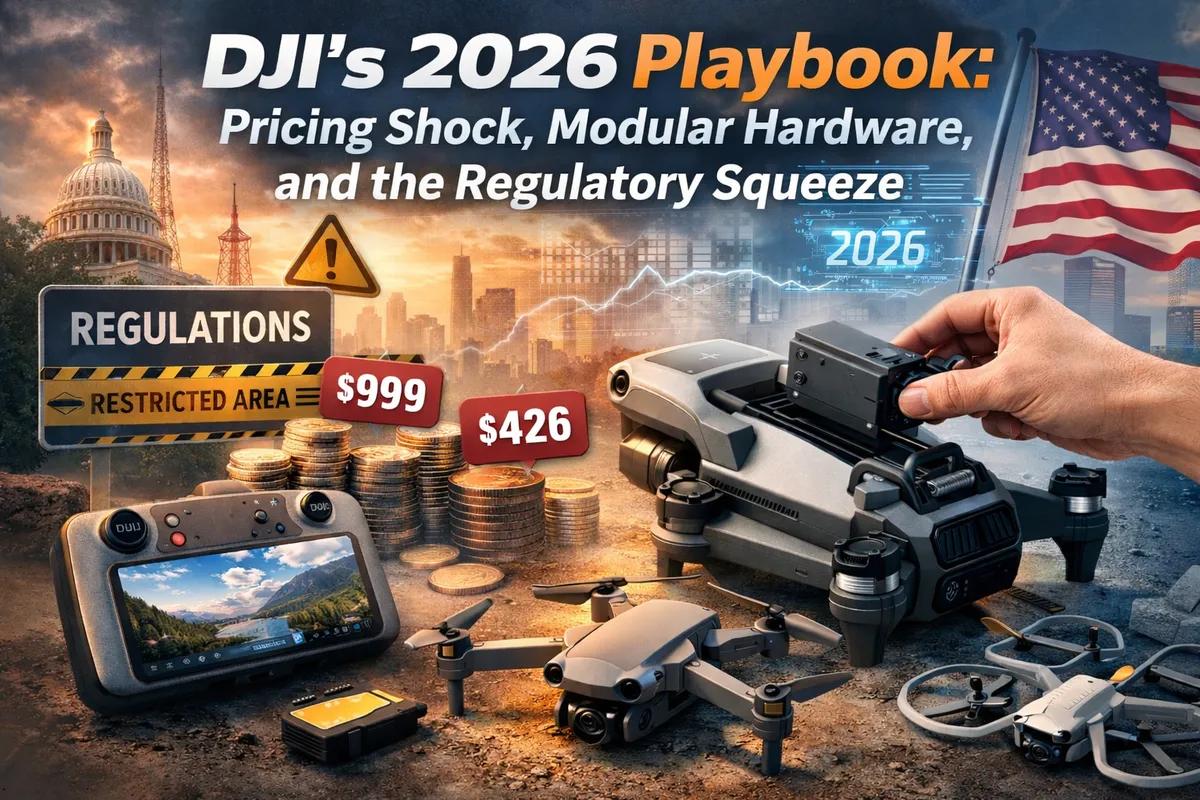
DJI’s 2026 Playbook: Pricing Shock, Modular Hardware, and the Regulatory Squeeze
DJI’s 2026 playbook was never just about new drones—it’s pricing tiers, modular hardware, and firmware rules built for a tougher regulatory world. Updated for June 2026 with a scorecard on how the predictions held up: the FCC Covered List squeeze, FrameTap-style modular gear, and the wave of U.S.-blocked launches.