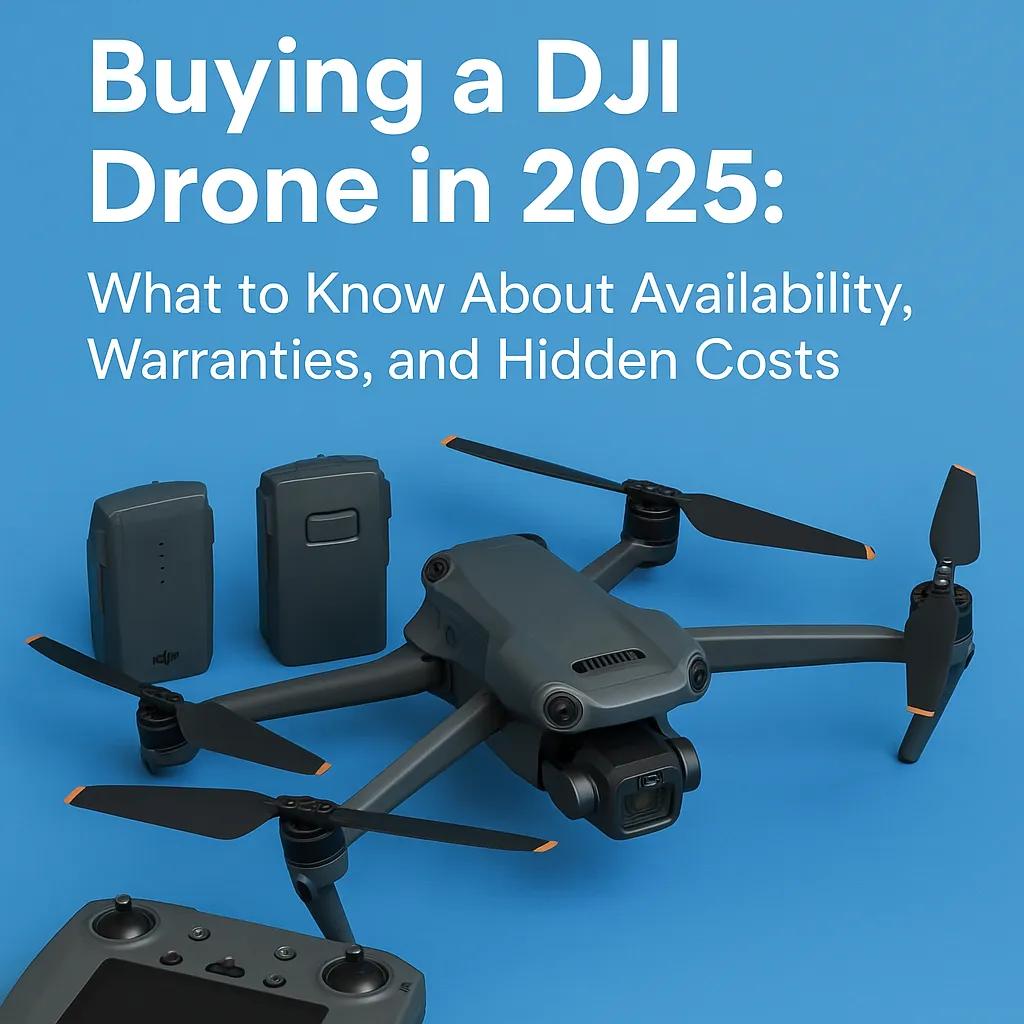
Buying a DJI Drone in 2026: What to Know About Availability, Warranties, and Hidden Costs
For years, buying a DJI drone was simple: pick the model that fit your budget and hit “Buy.” In 2026 that calculus has changed. DJI is now on the FCC Covered List, which means new models can no longer receive US authorization — but the drones already here are still legal to own and fly. The smart purchase today is less about chasing the newest flagship and more about getting a US-authorized model from a reputable retailer before stock runs dry. Here's what to know before you check out.
🛒 Availability: What You Can Actually Buy in the US
The FCC's December 2025 action doesn't ground anything you own, and it doesn't stop retailers from selling models that were already authorized. But it does mean DJI can't import brand-new models through normal channels, so the US lineup is now split into two camps.
US-authorized and widely available (Amazon, B&H, and other reputable retailers):
- DJI Neo 2 — ultralight, sub-249 g, the easiest entry point.
- DJI Mini 4K — budget 4K flyer, no registration required at sub-249 g.
- DJI Flip — folding selfie-style drone, around $439 depending on bundle.
- DJI Avata 360 — DJI's first 360 FPV drone, which finally opened US orders in 2026 (around $479 drone-only, more for the combos).
- DJI Air 3S — the dual-camera sweet spot for travel and photography, roughly $1,099.
Gray-market / limited import only: The Mavic 4 Pro and Mini 5 Pro were never given a normal US launch. They do show up at some authorized dealers and on Amazon via import stock, but availability is inconsistent and prices run high. Several non-drone products — the Osmo Pocket 4, Lito drones, Mic Mini 2, and Osmo Mobile 8P — launched globally but are blocked from US sale entirely.
Tip: Don't assume a model is unavailable just because DJI's own US store doesn't list it. Check our US availability hub for an up-to-date breakdown of what's buyable, what's gray-market, and what's blocked.
🧾 Warranty Realities: Why It Matters More Than Ever
Warranty used to be a footnote. After the ban, it's one of the most important things to verify before you buy. DJI Care Refresh and standard warranties are region-locked — a unit bought outside the US may not be eligible for repair or replacement here, and a crash could mean shipping your drone overseas at your own expense.
This is the core risk with gray-market imports of the Mavic 4 Pro or Mini 5 Pro: you may end up with no valid US warranty, region-locked firmware, and the possibility of a customs hold on the way in. There's one piece of good news — in May 2026 the FCC confirmed that already-authorized DJI drones stay eligible for firmware and security updates through at least January 1, 2029, so buying a US-authorized model doesn't mean buying something that's about to go dark.
Tip: Buy from an authorized US dealer, confirm the listing is US stock (not “imported” or “international version”), and register DJI Care Refresh at purchase so coverage is locked to your unit.
💰 Hidden Costs: Batteries, Software, and Import Surprises
The sticker price is only part of the story. Budget for these before you commit:
- Extra Batteries & Accessories: Genuine DJI batteries typically run $90–$200 each, and you'll want at least one spare.
- ND Filters, Props, and Cases: Often essential for filming and not included in the base kit.
- Gray-Market Premiums & Customs: Import-only models can carry inflated prices, and customs delays or fees are a real possibility on units shipped from abroad.
- Registration & Licensing: Drones over 249 g require FAA registration, and flying commercially requires a Part 107 certificate — sub-249 g models like the Neo 2 and Mini 4K sidestep recreational registration.
Tip: Budget an extra 15–25% beyond the base price for accessories and a spare battery, and skip the gray-market premium unless a specific flagship feature is non-negotiable.
✈️ The Smart Buy in 2026
DJI still makes the best consumer drones in the world, and the ban doesn't change that — it changes how you should buy. For most people, the smartest 2026 purchase is a US-authorized, in-stock model from a reputable retailer, with a registered warranty and confirmed firmware support through 2029. That means a Neo 2, Mini 4K, Flip, Avata 360, or Air 3S for the vast majority of buyers, and a clear-eyed acceptance of the trade-offs if you chase a gray-market Mavic 4 Pro or Mini 5 Pro.
Before checkout, verify the seller is authorized, confirm the unit is US stock, and read the warranty terms. For a model-by-model walkthrough of which drone fits your needs, see our buyer's guide. Get those basics right and your next flight stays legal, supported, and stress-free.
Related Articles
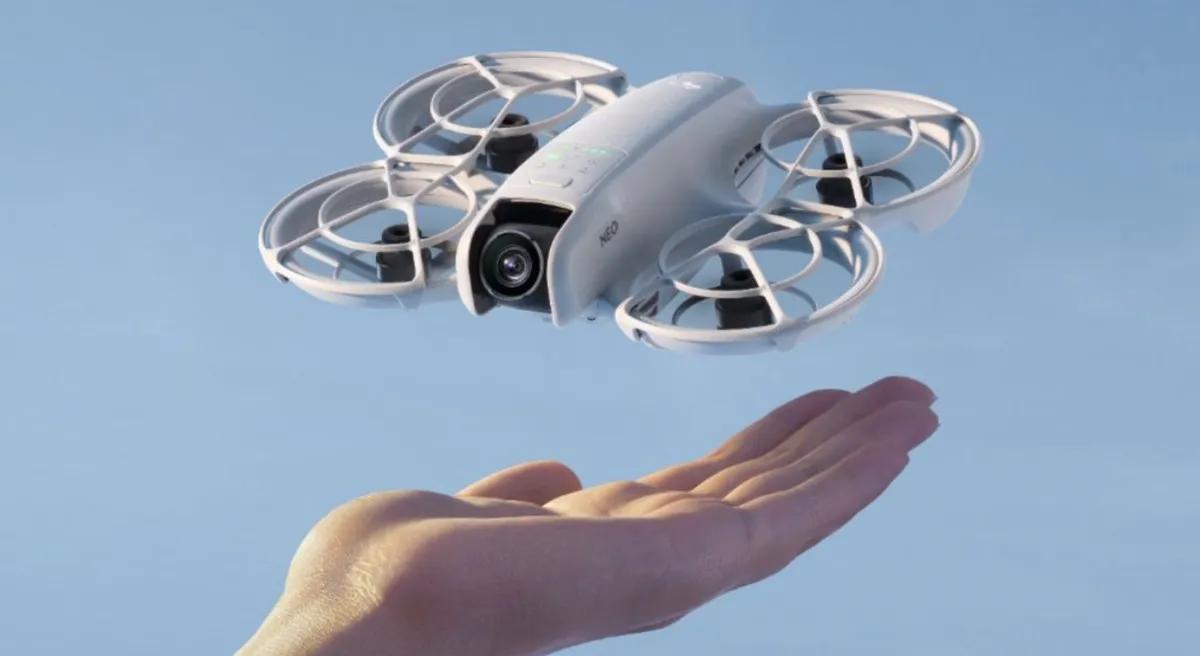
The DJI NEO Mini Drone: The Best Budget Drone Yet?
The 135g DJI Neo launched at $199 with palm takeoff, self-flying subject tracking, and 4K video. Updated June 2026: the newer DJI Neo 2 now adds obstacle sensing, a 2-axis gimbal, and faster tracking — here's how the original still holds up.
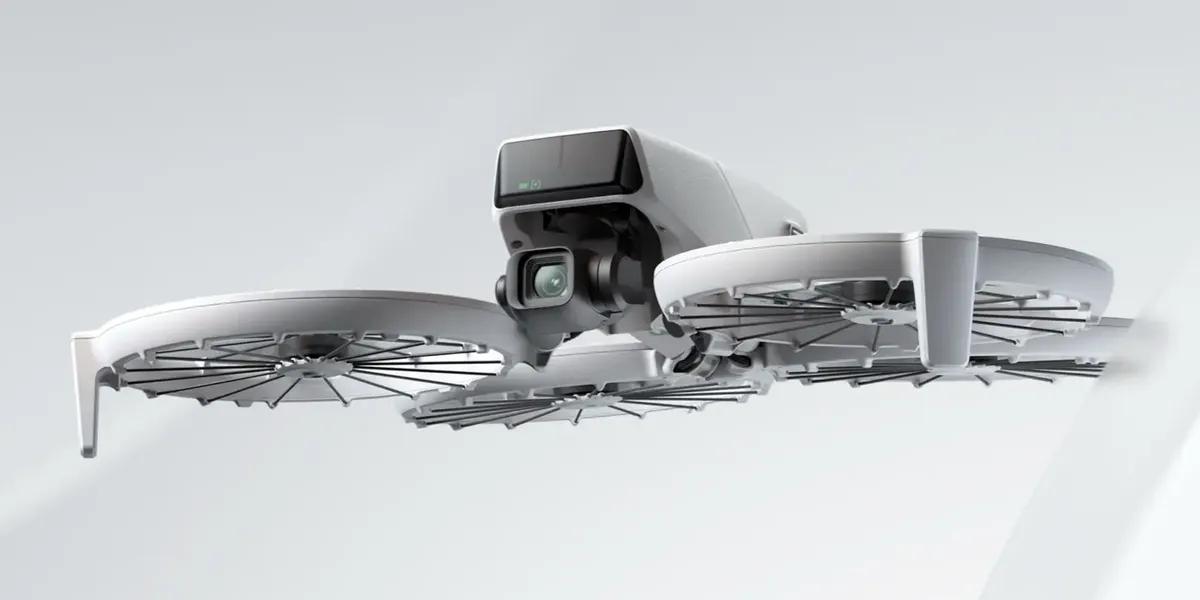
DJI Flip Review: The Good, the Bad, and the Ugly
The good, the bad, and the ugly on DJI's sub-249g Flip — a 1/1.3-inch sensor, 4K/60fps, palm takeoff, and ~31 min flight time for around $439. Still on sale in the US in 2026.